
At 9:17 am on any ordinary Tuesday morning, a brand founder looks at their dashboard for the fifth time that morning and thinks: Why isn’t the affiliate program I was promised doing anything? The affiliate program looked great on paper and is now like a formal dinner party where everyone is sitting silently at the table. It’s at this moment that affiliate consulting becomes a marketing term for an affiliate consultant’s product or service; however, at this point the term takes on a broader meaning as an affiliate consultant actually saves my company from losing money.
Let’s be honest. Affiliate marketing is often sold as effortless growth. Set up links. Recruit partners. Watch revenue bloom. In reality, it is more like hosting a music festival in your backyard. You need the right headliners, a decent sound system, security at the gates, and someone who knows how to stop the drummer from setting the lawn on fire.
That someone is usually a consultant who understands how to turn scattered partnerships into a strategic revenue channel.
Your Program Is a Product Too
Founders obsess over product development. Features are refined. Packaging is tested. Customer feedback is collected and analyzed. Then the affiliate program is launched with a generic sign up page and a vague promise of competitive commissions.
That is like building a luxury hotel and hiding the entrance behind a hedge.
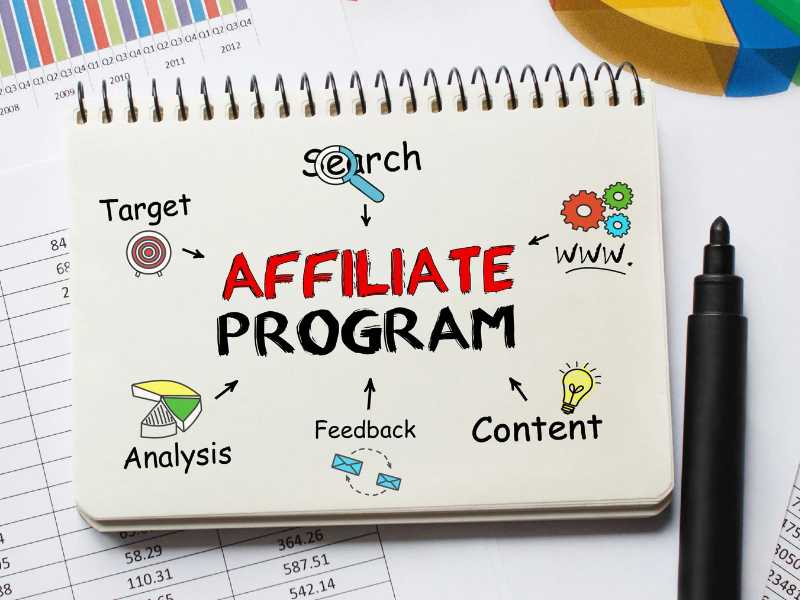
A consultant treats your affiliate program as a product in its own right. What makes it attractive? Is there a clear value proposition for partners? Are you offering exclusive content, early access, or creative assets that make promotion easier? Are your terms transparent?
Great programs do not simply exist. They are positioned. They are branded. They have a story.
And yes, they have numbers that make sense.
When Data Becomes a Compass
The real power of affiliate consulting shows up in the spreadsheets that most people avoid. Traffic quality, conversion rates by partner type, customer lifetime value by source. These details reveal whether you are building a long term revenue stream or funding short term spikes.
Consider the difference between a coupon site and a niche content creator. The coupon site might drive a surge in transactions, but what happens to your margins? Are customers returning without discounts? Meanwhile, a well aligned creator might generate fewer immediate sales but attract higher lifetime value customers who trust the recommendation.
A consultant reads those patterns like a detective. They do not just look at who drove sales. They look at who drove the right kind of sales.
Affiliate Consulting in the Wild
Affiliate consulting is most interesting when it steps outside the tidy world of dashboards and into real business chaos.
Picture a direct to consumer skincare brand that suddenly sees traffic from dozens of unknown blogs. Sales increase. So do refunds. It turns out certain affiliates are using aggressive claims that the brand would never approve. Without oversight, the program becomes a reputational risk.

A consultant steps in, audits partners, sets compliance guidelines, and implements approval processes. The revenue stabilizes. The brand voice remains intact.
Or imagine a software startup struggling with high acquisition costs. Paid ads are eating the budget. An affiliate strategy focused on industry educators and community leaders introduces a different path. Instead of interrupting users with ads, the brand earns placement inside trusted tutorials and newsletters.
Different problem. Same principle. Structure beats guesswork.
The Psychology of Partners
Not all affiliates are motivated by the same things. Some care about commission percentages. Others care about exclusivity or alignment with their audience values. A surprising number care about recognition.
A smart consultant studies partner psychology. They design tiered incentives that reward performance without damaging margins. They create communication rhythms that keep top partners engaged. They understand that silence is deadly. If affiliates do not hear from you, they assume the program is an afterthought.
Even small gestures matter. Personalized updates. Early access to product launches. Clear performance insights. These details transform a transactional relationship into a collaborative one.
Metrics That Actually Matter
- Revenue is the headline number, but it is rarely the full story. A thoughtful affiliate strategy measures assisted conversions, new customer rates, and repeat purchase behavior.
- Affiliate consulting encourages brands to move beyond vanity metrics. High clicks do not equal high quality. Large partner rosters do not guarantee strong results. What matters is alignment between partner audience and product promise.
- Consultants also examine attribution models. Are you rewarding affiliates for introducing new customers or merely closing sales that would have happened anyway? Do your tracking systems account for cross device behavior? Are you overpaying for last click conversions?
- These questions can feel technical, but they directly impact profitability.
The Art of Saying No
Here is an uncomfortable truth. Not every affiliate opportunity deserves a yes.
A flashy influencer might approach your brand with impressive follower counts. A coupon network might promise instant exposure. A cashback site could offer scale.
Affiliate consulting brings discipline to these decisions. Does the partner fit your positioning? Will their promotional style dilute your brand? Are they targeting the audience you actually want?
Sometimes the most profitable move is declining a partnership that looks exciting on the surface.
Restraint is underrated in marketing.
Building Systems That Scale
Many affiliate programs start as side projects. A marketing manager sets them up alongside ten other responsibilities. Over time, complexity grows. More partners join. Reporting becomes messy. Payments turn into administrative puzzles.
This is where systems matter. Clear onboarding processes. Automated reporting dashboards. Transparent commission structures. Defined communication channels.

Affiliate consulting often focuses on building these frameworks so the program can scale without collapsing under its own weight. Growth should feel structured, not frantic.
A well designed program does not rely on heroic effort every month. It runs on repeatable processes.
Stories from the Trenches
One ecommerce founder described affiliate marketing as a polite guest who quietly rearranged the furniture. Sales were coming in, but nobody quite understood how. Once a consultant mapped the traffic sources and partner behaviors, the picture changed. Certain affiliates were driving loyal customers. Others were cannibalizing paid search traffic.
Adjusting commission structures shifted incentives. The loyal customer drivers received better rates. The cannibalizers saw reduced payouts. Revenue stabilized and margins improved.
Another brand discovered that its top affiliates were barely using the creative assets provided. Why? Because they did not match the tone of the partner’s content. A consultant collaborated with those partners to co create materials that felt authentic. Conversions increased without increasing commissions.
These are not dramatic makeovers. They are incremental optimizations that compound over time.
The Quiet Competitive Advantage
In crowded markets, small advantages compound. A well structured affiliate channel can reduce dependency on volatile ad platforms. It can diversify acquisition sources. It can generate steady revenue from communities you might never reach directly.
The irony is that the most effective programs often look unremarkable from the outside. No flashy announcements. No viral stunts. Just consistent growth powered by aligned partnerships.
That is the quiet strength of affiliate consulting. It replaces random experimentation with informed decisions. It transforms scattered links into coordinated strategy. It turns a polite dinner party into a lively room where everyone knows why they are there and what they are contributing.
And for founders refreshing dashboards at 9:17 on a Tuesday, that kind of clarity feels less like marketing hype and more like a competitive advantage earned through thoughtful affiliate consulting.