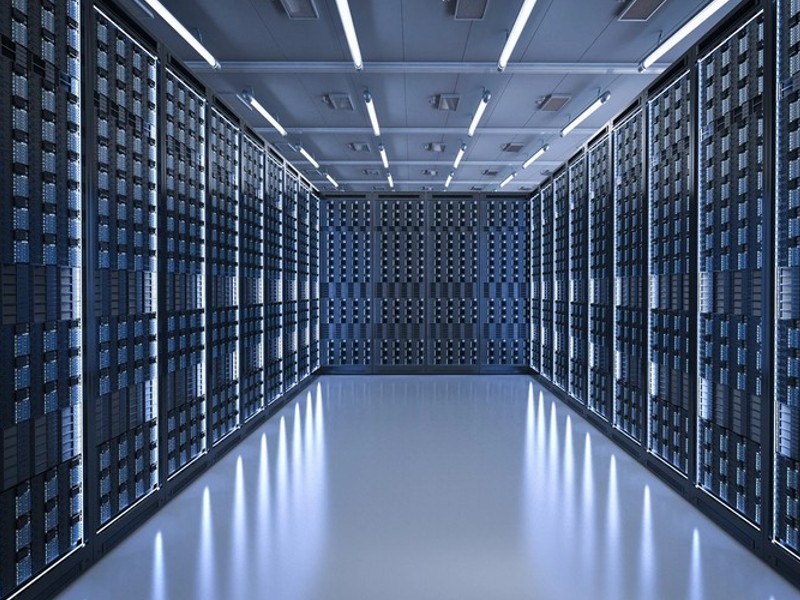
Enter SSD web hosting: the speed demon of the web hosting world that gets your site loaded in record time faster than your morning coffee gets you going.
Imagine this: You’re mid-online shopping spree, credit card clutched in hand, eager to make some totally necessary (and by no means impulsive) purchases. You click “Checkout,” and then.nothing. The site takes an eternity to load. You wait. And wait. Then, in a moment of sheer frustration, you close the tab and swear never to return. Familiar?
Well, if you do have a site, this is your worst-case scenario. A slow website isn’t just frustrating for visitors—it’s draining money, rankings, and potentially even your sanity. In the rapid-fire online environment we inhabit these days, there just isn’t time to wait. Research has shown that users expect a website to load within two seconds or less. Two seconds longer and they’re on their way—off to your competitor’s site where their patience isn’t strained.
What is SSD Web Hosting (and Why Should You Care)?
SSD is short for Solid-State Drive, or, put simply, a faster storage device than your uncle snatching the last slice of pizza during dinner. SSDs are not like standard HDDs (Hard Disk Drives), which have disks that rotate. SSDs employ flash memory to access information at light speed. This implies that when your site is hosted on SSD-based servers, your customers enjoy faster loads, and you enjoy more contented customers. Win-win.
Why Speed Is More Important Than Ever
In the age of the internet, speed is not a luxury—it’s a requirement. Google considers page speed as a ranking signal, which means a slow site may damage your SEO and send you deeper into search results. Lower rankings translate to less traffic, fewer conversions, and ultimately, lost sales. If your business is dependent on an online presence (which it likely is), you can’t afford to be slow.
SSD vs. HDD Hosting: A Brute Combat
Imagine this as a race between a tortoise (HDD) and a caffeine-fueled cheetah (SSD).
1. Speed – The Game Changer
SSDs are 300% faster than HDDs, which translates to your website loading in milliseconds instead of seconds. That’s between having a visitor stay and seeing them depart for your competitor’s speedier site. In online business, a one-second page load delay can lead to a 7% loss in conversions. That’s cash flying out the window.

2. Durability – Built to Last
Because HDDs use spinning disks (yes, like a fancy old record player), they degrade more quickly. SSDs, having no moving parts, are like that friend who just doesn’t get older. If your hosting company is utilizing HDDs, your data is more likely to fail over time. SSDs offer peace of mind with their long lifespan.
3. Energy Efficiency – Kind to the Earth
SSDs use less power, so not only is it good for your website, but it’s also environmentally friendly (and your host’s electricity bill). Less power usage means less heat output, reducing the likelihood of server failure due to overheating.
4. Reliability – Farewell Data Loss
Ever experienced a hard drive crash on you? HDDs have the reputation of dying at the worst possible time. SSDs, however, are designed to withstand the test of time. By using SSD hosting, you eliminate the possibility of hardware failure resulting in downtime, and your users experience a better time.
Who Needs SSD Hosting?
If your website is nothing more than a digital post-it note, sure, you could probably survive with regular HDD hosting. But if you want to actually run a website like a pro, SSD hosting is your best friend. Here’s who benefits most:
1. E-Commerce Stores
Slow loading speeds kill sales faster than bad customer service. SSD hosting ensures your site is snappy enough to keep buyers clicking “Add to Cart.” In a highly competitive market, speed can be the deciding factor between making a sale and losing a customer forever.
2. Blogs with Traffic
Got a fan base? SSD hosting keeps your readers happy (and reading) instead of bouncing away due to laggy load times. If you’re monetizing your blog with ads or affiliate links, every lost visitor means lost revenue.

3. Business Websites
First impressions matter. A slow website makes your business look unprofessional, like a 1998 dial-up homepage. SSD hosting keeps things sleek. Whether you’re a freelancer, a small business, or a major corporation, a fast website makes you look more credible and competent.
4. Developers and Tech Enthusiasts
Running complex scripts? SSD hosting gives you the speed boost you need. If you rely on databases, API calls, or server-heavy applications, SSD hosting ensures your backend runs efficiently.
Common SSD Hosting Myths (Debunked!)
1. “SSD Hosting is Super Expensive”
Not really. Yes, SSD web hosting will be slightly more expensive than HDD hosting, but we are talking a couple of dollars extra per month. With the improvement in speed, security, and overall performance, it’s paying for a first-class ticket rather than flying in the cargo compartment.
2. “My Site is Small; I Don’t Require SSD”
Speed is important for every website. Even if you only have a simple blog, Google favors quicker sites in search results. If you enjoy free traffic, SSD hosting assists.
3. “All Hosting Providers Offer SSD”
Nope. Some still hold on to HDDs like a flip phone from the Stone Age. Always read the fine print. Many hosting providers still employ HDDs for cheap plans, so don’t think SSD is the norm.

How to Select the Best SSD Web Host
Okay, you’re convinced about SSD hosting. But how do you select a provider that won’t leave you hanging? Here’s what to watch out for:
• Speed & Performance – Check reviews, speed test results, and if they support NVMe SSDs (which are faster than regular SSDs).
• Uptime Guarantee – No use having a quick site if it’s offline half the time. Opt for a 99.9% uptime guarantee.
• Customer Support – Technical issues occur. Ensure your host has a support team that responds quickly (extra points if they’re on call 24/7).
• Scalability – If your site expands, your hosting should be able to handle it.
• Security Features – Malware scanning, backups, and firewalls are essentials.
Is SSD Hosting Worth It?
Let’s rephrase it this way—migrating to SSD hosting is akin to exchanging a squeaky bicycle for a car. It’s a no-brainer if you are after speed, reliability, and a superior user experience. If you are running an online business, a new site or blog, or even just a site that doesn’t need to look like it was constructed in the dark ages of the early 2000s, SSD hosting is the way to go.
So do yourself (and your site users) a favor—skip the slow lane and go with SSD web hosting. Your site will thank you, your customers will stick around, and your bounce rate will finally stop making you cry. The question isn’t if you can afford SSD hosting—the question is, can you afford not to?